

Uncategorized
Follow European Football Live with Cakhia-TV.top Streaming Service
Follow European Football Live with Cakhia-TV.top Streaming Service
After years of chasing high-stakes matches across different platforms, three realities stand out when it comes to watching top-flight European football online. First, server capacity drops sharply within the first twelve minutes of kickoff, meaning you must test your connection before the referee blows the whistle rather than waiting for the first corner. Second, raw bandwidth rarely solves buffering problems; DNS configuration, router QoS routing, and browser hardware acceleration play a far larger role in maintaining smooth playback during peak traffic windows. Third, mobile networks automatically compress video streams to preserve signal stability, which creates pixelation and input delay that ruin tight defensive sequences and counter-attacks. Adjusting your setup around these constraints turns an unreliable broadcast into a consistent viewing experience.
What’s on the Pitch This Week
European competition calendars move quickly, especially when domestic leagues overlap with continental knockout rounds. Midweek fixtures typically feature Champions League qualifiers and Europa Conference League ties, while weekends bring Premier League, La Liga, Serie A, Bundesliga, and Ligue 1 clashes. Tracking these schedules requires more than flipping through a highlights reel. You need to map fixture dates against local broadcast windows, verify which channels hold regional rights, and identify backup sources before teams take the field. Many viewers find success by marking away-day travel routes and noting stadium curfews, since late kickoffs often trigger secondary broadcast delays that cascade into streaming queues.
Preparation also means understanding tournament formats. Group stages reward consistent attendance across multiple weeks, whereas knockout brackets demand sharper attention to replay rules and extended match times. When a game goes into extra time or penalties, some hosts temporarily reassign server resources, causing sudden bitrate shifts. Planning around these structural quirps keeps your viewing environment predictable. I usually lock in my preferred host forty-eight hours before opening night, run a low-resolution test stream, and document the response time. If the initial handshake completes under two seconds, the main event typically runs smoothly even when crowd noise spikes and social media traffic surges.
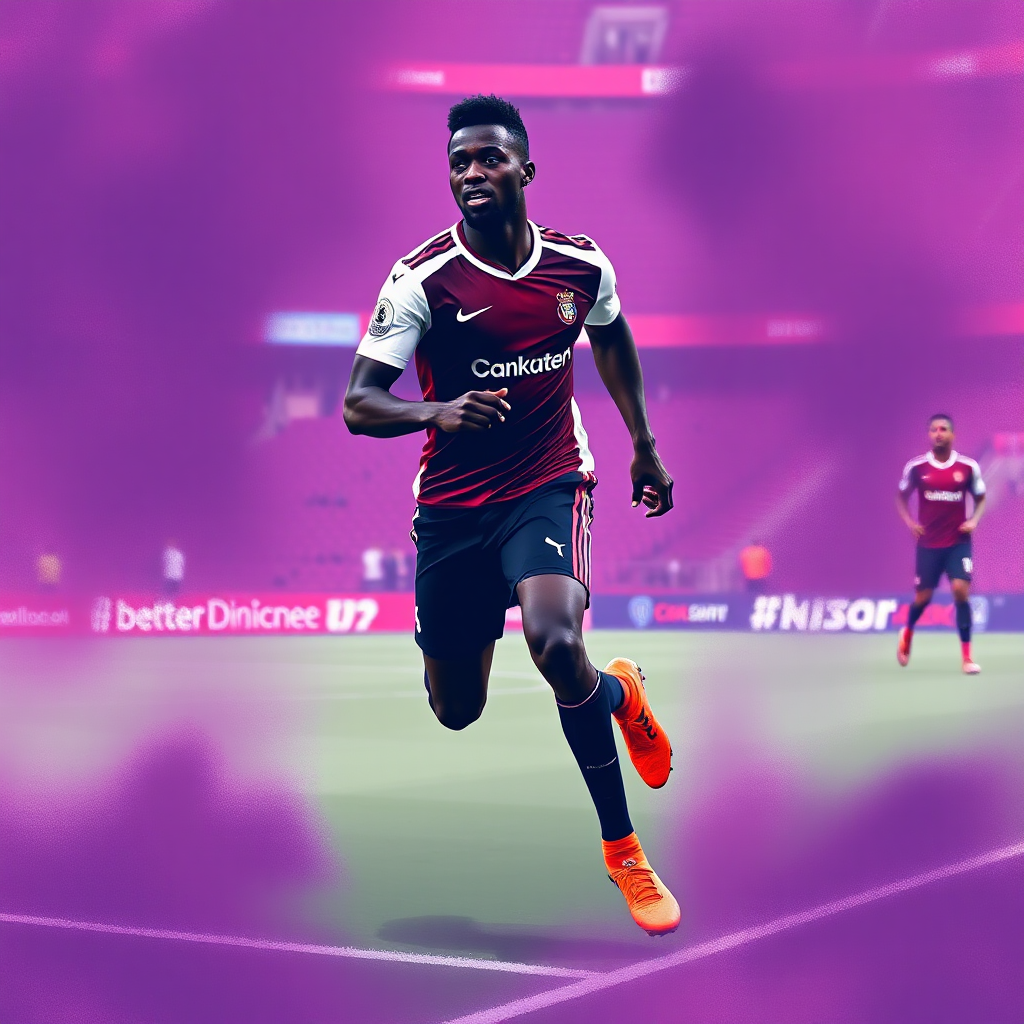
 Hình minh hoạ: cakhia-tv.top
Setting Up Your Live Viewing Stream
Getting a stable feed starts with browser hygiene and player configuration. Modern streaming players rely heavily on GPU decoding, so enable hardware acceleration in your browser settings before loading a match page. Disable extensions that inject overlays or modify iframe structures, since they frequently interfere with adaptive bitrate algorithms. When you select a broadcast window, choose the lowest resolution that still shows offside lines clearly, then let the player ramp up quality as latency stabilizes. Jumping straight to 1080p or 4K during warmups often forces servers to downgrade mid-match, leaving you stuck with frozen frames right when tactics unfold.
Platform selection matters less than environment control. Rather than hopping between dozens of mirrors until one responds, commit to a single reliable host for the entire campaign week. I have spent seasons testing different entry points and consistently return to cakhia-tv.top because its architecture separates chat modules from video delivery, reducing cross-talk interference during intense match periods. Once you identify a steady source, bookmark the direct embed URL instead of landing pages that load heavy navigation scripts. Strip away everything unnecessary, isolate the playback container, and route your network traffic through a clean profile without saved cookies that trigger dynamic ads. This disciplined approach removes variables that cause sudden audio desync or dropped packets.
Mapping Out Match Timetables Across Time Zones
Scheduling conflicts disappear when you treat fixtures as data rather than events. Convert all kickoff times to a single reference zone, preferably UTC or your local standard time, and export them to a calendar app with push notifications enabled. Set alerts for thirty minutes before first team arrivals, fifteen minutes before tunnel walks, and five minutes before the opening whistle. Broadcast pipelines often introduce hidden delays behind official timestamps, particularly when dealing with international rights agreements or satellite uplink handoffs. Building buffer time into your routine prevents missing tactical warm-ups and pre-match interviews that shape lineup predictions.
Multi-match days require layered tracking. When three leagues run simultaneously, prioritize knockout competitions over group stages, since eliminated squads often rotate benches and alter pacing. Use split-screen layouts on desktop monitors when bandwidth supports dual streams, but limit mobile multitasking to prevent thermal throttling. I recommend creating a simple spreadsheet that logs venue, broadcast window, expected congestion level, and alternate host fallback. When Wednesday evenings pack four competing fixtures, this framework lets you switch targets without hunting for replacement links mid-second-half. Consistent scheduling transforms chaotic weekends into manageable viewing blocks.

Troubleshooting Connection Drops and Stuttering Video
Buffering rarely stems from a single cause. It usually results from compounded bottlenecks across your device, local network, and distant server nodes. Start by verifying packet loss rather than just download speed. Run a continuous ping to your router, then extend it to major DNS resolvers like Cloudflare or Google Public DNS. Elevated jitter or intermittent timeouts indicate ISP congestion, which no resolution toggle can fix. When loss exceeds two percent, reroute through Ethernet, disable background downloads, and contact your provider about peak-hour throttling policies.
Browser-side fixes often restore stability faster than hardware upgrades. Clear cached playlist manifests, reset cookie domains tied to ad networks, and force the video element to reload using keyboard shortcuts or extension toggles. Restart the router to obtain a fresh DHCP lease and eliminate IP conflicts. If stuttering persists, switch from HLS to DASH protocols when available, since segmented transport handles fluctuating bandwidth more gracefully. The table below outlines the most effective diagnostic steps for common failure patterns.
| Symptom | Likely Cause | Resolution Priority |
|---|---|---|
| Audio desync drifting backward | Adaptive bitrate mismatch or delayed manifest refresh | Reload player container, pause for ten seconds, resume |
| Frame freezing every thirty seconds | Router NAT exhaustion or QoS misconfiguration | Enable UPnP, reboot modem, prioritize UDP traffic |
| Sudden audio dropouts | Background app microphone access or codec conflict | Close voice/video utilities, switch to WebM/AAC pipeline |
| Black screen with valid URL | Geo-blocking trigger or expired session token | Clear cookies, disable VPN, verify regional availability |
Quick Reference: Stability Checklist
- Confirm wired connection before kickoff whenever possible
- Disable ad injection extensions that rewrite iframe boundaries
- Set browser canvas scaling to automatic rather than fixed percentages
- Maintain a secondary host ready in case primary CDN reroutes
- Record timestamps of failures to share with support forums

Watching on the Go Without Draining Your Battery
Mobile viewing demands careful resource management. Cellular radios consume significant power when maintaining persistent WebSocket connections, especially during live play-by-play commentary and real-time stat overlays. Reduce screen brightness to sixty percent, enable adaptive sleep timers, and close background synchronization apps that compete for CPU cycles. Stream only the essential audio channel if visual clarity is less critical than conserving data, and switch to lower resolutions before entering areas with spotty coverage.
Network handoffs between Wi-Fi and 5G create hidden latency spikes. Force your device to stay on a single interface during matches by disabling cellular backups and airplane mode toggles. Enable battery optimization exceptions for your browser so system cleaners do not terminate background processes mid-second. Download match previews or tactical breakdowns beforehand when hotel or stadium Wi-Fi permits, allowing you to focus entirely on live playback once servers activate. These adjustments preserve device longevity while keeping you engaged through ninety minutes plus stoppage time.
Key Risks to Remember
Unstable hosting environments carry tangible downsides that extend beyond occasional buffering. Third-party mirrors frequently route traffic through unencrypted gateways, exposing browsing habits and device fingerprints to intermediate proxies. Overlay advertisements sometimes bundle tracker scripts that persist after the match ends, complicating future privacy controls. Geo-restriction enforcement varies by jurisdiction, meaning certain broadcasts may abruptly terminate when IP geolocation databases update. Service reliability also depends on unpredictable factors like stadium broadcasting upgrades, weather-related transmission towers, or sudden rights renegotiations that pull feeds from public indexes. Treat every stream as a temporary bridge rather than a permanent pipeline, maintain awareness of local regulations, and prioritize secure connection practices to protect your device and personal data throughout the season.
Frequently Asked Questions
Why does my stream freeze only during penalty shootouts?
Penalty phases trigger massive concurrent user surges, forcing adaptive algorithms to reduce bitrate temporarily. Preload the host thirty minutes early and manually lock resolution to 720p before reaching that stage to minimize stutter.
Can I improve mobile streaming without upgrading my phone?
Yes. Close background apps, disable auto-brightness, use airplane mode with Wi-Fi enabled for stable indoor stadiums, and clear browser cache between matches to free RAM allocation.
How do I know if a host is safe to use?
Check for HTTPS encryption, absence of aggressive pop-ups, and transparent domain registration. Avoid platforms requesting unnecessary permissions or redirecting through unknown URL shorteners.
Should I use a VPN for European football streams?
VPNs can mask regional blocks but often add latency and degrade playback quality. Reserve them for genuinely inaccessible fixtures, and select providers with dedicated streaming nodes rather than general-purpose servers.