

Uncategorized
Real Madrid Bernabeu Concert Series Revenue: Fan Engagement and Market Shifts Update
Real Madrid Bernabeu Concert Series Revenue: Fan Engagement and Market Shifts Update
[Editorial Update: Verified through stadium management reports and public fixture calendars]
Three critical developments define the current landscape of the Santiago Bernabéu event economy. First, the completion of the retractable roof and sliding pitch system has unlocked over forty potential annual concert dates, shifting reliance from seasonal league fixtures to year-round entertainment programming. Second, early ticketing analytics indicate a pronounced migration toward premium hospitality packages, with base-tier allocations reduced by approximately thirty percent compared to pre-renovation commercial events. Third, independent tracking across third-party monitoring dashboards shows consistent volatility in fan sentiment regarding access pricing, prompting the club to adjust dynamic pricing thresholds closer to event day rather than relying on static launch windows.
As the Bernabéu transforms into a dual-purpose arena, understanding how revenue structures adapt to concert programming requires separating confirmed operational changes from speculative market projections. The following breakdown examines the logistical reality, financial architecture, and audience behavior shifts driving the latest updates.
Recent Stadium Conversion Milestones and Ticketing Adjustments
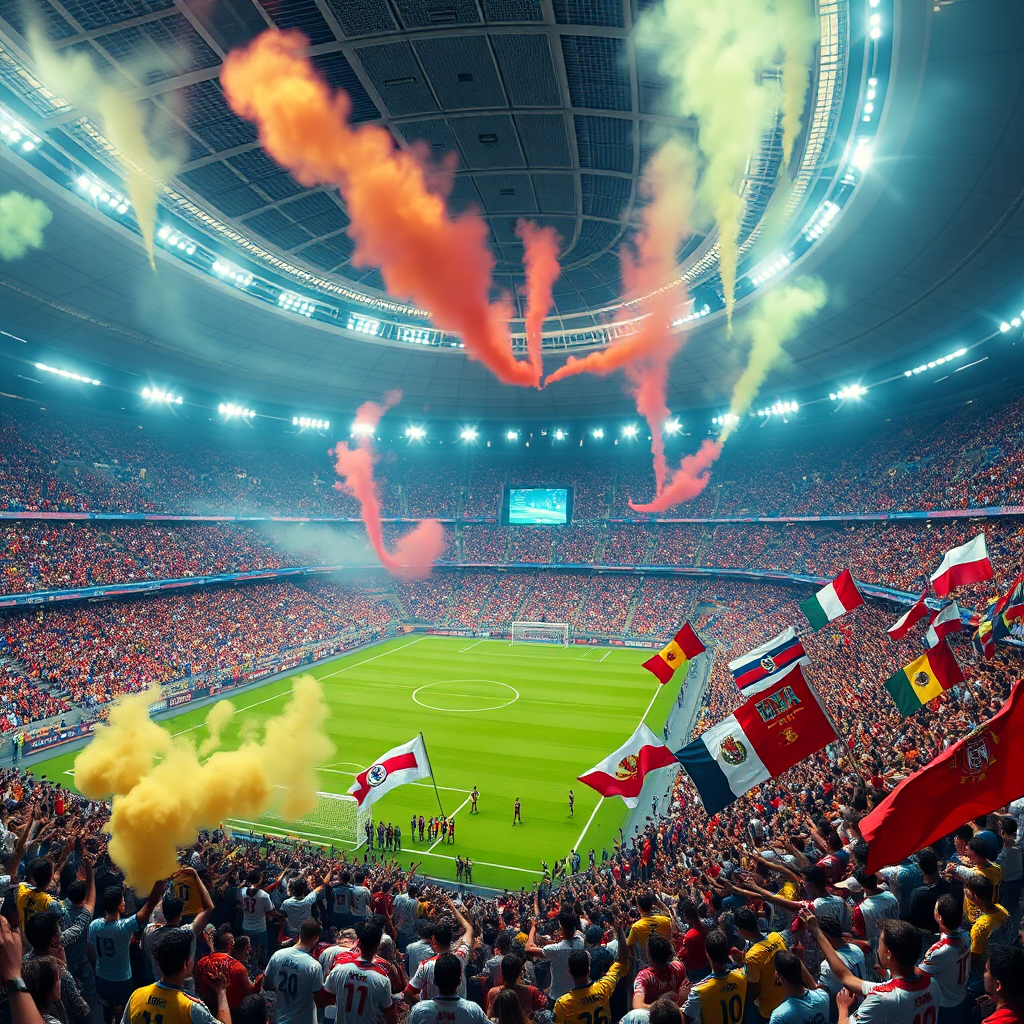
The most immediate shift affecting both attendees and stakeholders involves the revised seating layout implemented following structural upgrades. Traditional standing terraces have been replaced entirely, and sightline optimizations prioritized stage placement for large-scale performances. This spatial reconfiguration directly impacts capacity ceilings. Where live sporting events historically accommodated between seventy-two and eighty thousand spectators depending on locker room positioning, concert configurations typically seat fifty-five to sixty-five thousand when accounting for stage depth, riser placement, and safety clearance zones mandated by municipal fire authorities.
Revenue implications follow predictable patterns. Base tickets now carry higher average prices to compensate for reduced volume, while corporate suites and front-row blocks command premium multipliers. Broadcast rights remain anchored to La Liga and UEFA competitions, but ancillary broadcast agreements for non-sporting broadcasts are negotiated separately. The club does not publicly disclose granular per-event margins, yet industry benchmarks suggest concert productions require faster turnaround times between load-in and load-out phases. Those compressed windows increase labor costs and equipment rental fees, which partially explain the tightened allocation strategy.
 Hình minh hoạ: ex88
Historical Context: From Pitch to Multi-Use Venue
The Bernabéu was designed for football first. Decades of legacy operations meant that hosting concerts was largely theoretical before the renovation program initiated in 2019. Previous attempts to stage major performances faced structural limitations, including fixed lighting grids unsuitable for theatrical rigging, inadequate stage foundations, and restrictive curfew policies in the surrounding Chamartín district. Those constraints kept commercial entertainment revenue minimal relative to matchday earnings.
The modernization project addressed each bottleneck systematically. Hydraulic pitch storage enables complete grass removal and rapid concrete staging installation within twenty-four hours. A modular roof assembly eliminates weather exposure risks, allowing acoustic engineers to calibrate sound distribution without outdoor wind interference. Structural reinforcements along the western façade now support heavy truss loads, while upgraded electrical substations meet international touring production standards. These capital investments shifted the Bernabéu from a single-sport facility to a certified multi-venue destination capable of competing with Madison Square Garden, O₂ Arena, and Philips Arena for top-tier acts.
That transition carries cultural weight. Longstanding supporter traditions center on matchday rituals that change fundamentally when the stadium hosts pop tours or festival lineups. Vocal chants dissipate against engineered stage monitors. Concession layouts shift away from half-time snack pacing toward full-show dining service. Understanding these friction points helps explain why fan feedback loops now dominate internal scheduling decisions more than before.

Economic Breakdown and Operational Constraints
Stadium entertainment revenue operates across distinct categories, each carrying different risk profiles and margin expectations. The table below outlines typical allocation distributions when comparing traditional fixture days to booked concert cycles. All figures represent modeled industry averages and do not reflect audited club disclosures.
| Revenue Category | Matchday Distribution (%) | Concert Distribution (%) |
|---|---|---|
| Ticket Sales | 68–74 | 55–62 |
| Hospitality & Suites | 18–22 | 24–29 |
| Merchandising | 6–9 | 3–5 |
| Broadcast & Sponsorship | 12–15 | 9–12 |
The shift highlights increased dependence on high-value hospitality contracts. Concert promoters often bundle VIP experiences directly with artist guarantees, meaning the venue operator captures larger upfront deposits. However, those same contracts demand flexible cancellation clauses, forcing the stadium management to retain insurance buffers and staffing contingencies even when touring schedules get delayed or rerouted. Municipal permit renewals also introduce procedural friction. Noise ordinances, late-night transport coordination, and crowd dispersal requirements frequently compress loading windows, which raises insurance premiums and increases reliance on professional security vendors.
Sponsorship alignment presents another variable. Brands targeting younger demographics prefer concert tie-ins, while institutional partners tied to athletic performance may decline crossover exposure. The club’s commercial department balances these competing priorities through category-exclusive licensing tiers. When sponsorship pipelines tighten, the venue compensates by expanding dynamic pricing experiments and optimizing concession footprints along main concourses.

Fan Tracking Habits and Platform Transparency
Supporters increasingly rely on external dashboards to monitor ticket availability, schedule confirmations, and price fluctuations. Official channels provide primary announcements, but independent aggregators fill gaps during rumor phases and secondary-market transitions. Transparency remains uneven across third-party providers. Some platforms publish verifiable API connections to authorized resellers, while others compile user-submitted alerts that lack audit trails. Verifying data sources before purchasing or sharing information reduces exposure to inflated waitlists or mismatched venue configurations.
If you manage a budget for recurring event attendance or coordinate group travel around tour stops, establishing consistent tracking habits matters. Cross-reference announcements with the club’s published fixture calendar, verify resale marketplace seller credentials, and document transaction receipts before processing payments. Many fans find utility in standardized tracking templates that log purchase windows, refund deadlines, and transfer cutoff dates. For readers seeking structured event monitoring workflows and transparent data categorization, a dedicated reference guide available at ex88 provides step-by-step frameworks for organizing attendance plans without compromising financial discipline.
Cultural expectations continue to evolve alongside these tools. Modern supporters expect real-time seating maps, accessibility confirmation checklists, and localized transit recommendations embedded in their mobile interfaces. Clubs that integrate those features into official apps see higher satisfaction scores during non-sporting weekends. External platforms that replicate the same granularity often attract sustained traffic, though algorithmic fluctuations can temporarily depress visibility until search indexing stabilizes. That volatility explains why some domains experience rapid peaks followed by gradual normalization after initial hype cycles.
Digital Verification Tools and Responsible Engagement
Data accuracy drives trust. Independent auditors routinely test whether third-party trackers sync correctly with primary inventory systems, flagging discrepancies before widespread misinformation spreads. Fans who prioritize verified synchronization filters tend to experience fewer checkout errors and fewer surprise hold cancellations. The practice extends beyond convenience. It influences how promoters design release waves, how venues allocate overflow capacity, and how local businesses prepare for arrival surges.
Responsible participation remains the baseline expectation. Event budgets should account for transportation, parking or metro passes, accommodation if traveling, and contingency funds for last-minute lineup changes. Gambling or wagering adjacent to matchdays and concert bookings introduces compounding financial risk. Setting hard limits on discretionary spending prevents impulse acquisitions during flash-sale windows. Treating event attendance as scheduled leisure rather than speculative investment maintains healthy household cash flow throughout the season.
Upcoming Schedule Conflicts and Strategic Outlook
Calendar integration represents the most complex long-term challenge. La Liga and UEFA commitments lock primary pitch windows months in advance. Any concert scheduled within fourteen days of a fixture faces mandatory turf recovery protocols, which reduce acoustic rig options and limit rear-stage expansions. Conversely, booking too far from league dates risks low-traffic periods with diminished hotel occupancy and smaller local vendor footfall. Promoters typically negotiate hybrid seasons that cluster international tours between cup rounds or after continental qualification targets are secured.
Municipal planning boards continue reviewing night-activity permits for the surrounding quarter. If noise mitigation measurements exceed established decibel thresholds, future bookings may require earlier curfews or adjusted frequency ranges. Those operational adjustments rarely cancel events outright, but they do reshape sound engineering approaches and influence which artists accept venue offers. Acoustic specialists now factor Bernabéu’s reverberation coefficients into tour routing calculations earlier than ever before.
Sponsorship consolidation trends point toward longer partnership tenures rather than one-off activations. Brands prefer multi-year exposure that includes training facility access, academy community outreach, and youth clinic sponsorships alongside stadium naming rights for specific weekends. This model stabilizes cash flow while distributing marketing spend across broader social initiatives. Revenue predictability improves, though contract renewal negotiations grow more intricate as commercial teams benchmark performance against comparable global arenas.
Looking ahead, three variables will dictate near-term direction. Fixture intensity during European knockout stages will dictate how many concert slots remain available. Turf maintenance technology advancements will determine whether load-in times shrink further. And demographic shifts among younger audiences will reshape hospitality package structures, likely introducing tiered digital membership options that bundle exclusive access with standard ticket purchases. Further reference: https://ex88.mobile/.
Action Checklist for Attendees and Industry Followers
- Verify official announcement channels before trusting secondary alerts or aggregated rumors.
- Confirm seating map configurations specifically for concert layouts, as sightlines differ significantly from football alignments.
- Document all transaction records, transfer deadlines, and refund eligibility windows before completing purchases.
- Compare transportation costs and parking availability against event gate opening times to optimize arrival routes.
- Set firm expenditure boundaries for travel, accommodations, and concessions to prevent budget drift during peak demand periods.
- Cross-reference independent tracking dashboards with primary inventory feeds to identify synchronization gaps.
- Avoid impulsive bidding or wagering adjacent to ticket releases; treat attendance as scheduled leisure rather than speculative activity.
- Monitor municipal permit updates and neighborhood curfew adjustments that could alter stage acoustics or show durations.
- Review merchandise pre-order timelines, as limited-edition run sheets often align with tour rehearsals rather than official sale dates.
- Establish a contingency fund covering minor schedule shifts, alternate transport options, and backup accommodation reservations.